Get answers here
FAQs
Essential information on cosmetic treatments, aftercare, dental queries, and payment options to support your journey towards optimal oral health.
Cosmetic Industry
Whether you have inquiries about dental veneers, teeth whitening costs, or restorative treatments, we aim to make cosmetic dentistry straightforward and support you in achieving your ideal smile. Explore our FAQs for valuable insights to enhance your dental experience.
Does bleaching damage your teeth?
Bleaching does not “damage” or “weaken” your teeth. Bleaching is simply an oxidation reaction where electrons are being exchanged. When you are bleaching them they become temperature sensitive. The sensitivity goes away once you stop bleaching them.
Do over the counter bleaching products work?
Over the counter bleaching are not custom made for your teeth and have a lower concentration of bleach, that being said, some people do respond well to over the counter bleaching products. You may have better results with persistent use of the product, usually two weeks for 30 min to one hour per day.
Do whitening toothpastes work?
Whitening toothpastes have minimal results and usually rely on the abrasives within the toothpaste to remove external stains not internal stains. A lot of the population’s gum is also allergic to whitening products in the toothpaste and when used their gums peel (slaugh) causing chronic irritation.
How do i care for my Invisalign trays?
Each set of Invisalign (clear braces) aligners are designed to be replaced after approximately 20-22 hours per day for two weeks, wear trays at all times and remove before eating meals, after meals brush and replace aligners on your teeth.
When ready to change to a new set of aligners (after two weeks), place your new set before going to bed. It is preferred that the first time you wear a new tray that you have it on for 6-8 hours without being removed, therefore before bed is the best time to change trays.
When coming to your Invisalign checkup appointment, always wear and bring the current set of aligners that you are wearing. Dental tenderness may be experienced following initial aligner placement and after switching to each new aligner in the series. If needed you can take between 200mg to 800mg Ibuprofen depending on the severity.
Always store aligners in a cool, dry place. Never throw away your old aligners. Keep all aligners in a bag in cases needed for future use. Keep aligners away from hot water and harsh chemicals. Keep aligners out of reach of young children and pets. The product may temporarily affect speech and may result in a lisp, although any speech impediment associated with the product usually disappears within one or two weeks. Temporary increase in salivation or dryness of mouth may occur.
Post Procedure Care
After your dental procedure, we will provide you with detailed instructions on how to care for your mouth and teeth. Please do not hesitate to contact the Sincere Smiles team if you have any questions or need further assistance.
What’s the proper after care following a root canal?
For the first few days following a root canal treatment, you may experience sensitivity in your tooth, particularly if there was pain or infection prior to the procedure. This discomfort can typically be managed with either over-the-counter or prescription medications, so it’s advisable to take your medication before the anesthesia diminishes.
For adult patients, the recommended dosage is usually three 200mg tablets of Ibuprofen, such as Motrin or Advil, every six to eight hours; if you are unable to take Ibuprofen due to a medical condition or stomach issues, you may opt for acetaminophen, with two 500mg tablets suggested every four to six hours. It is important to avoid aspirin and products containing aspirin, as they may increase bleeding in the treated area.
If antibiotics have been prescribed, be sure to follow the dosage instructions carefully.
Female patients who are taking oral contraceptives or using other hormonal contraceptives should use an additional method of birth control while on antibiotics, as they can reduce the effectiveness of contraceptives.
To minimize stomach sensitivity, it is wise to eat soft foods before taking your medication. After the root canal is completed, your tooth may feel slightly different from your other teeth for a while, and you should avoid chewing or biting on the treated tooth until it has been restored, as an unrestored tooth is prone to fracture.
What’s the proper dental care following tooth extraction or surgery?
It is normal for wounds to seep small amounts of blood for the first 24 hours after a surgical procedure, thus causing blood stains in your saliva. The first few hours following your surgical procedure bite on fresh sterile gauze. If bleeding persists use a slightly damp tea bag to bite on or apply firm pressure with the tea bag over the wounded area. Swelling may occur within the first 48 hours following surgery and may last up to one week.
During the first 2-4 hours after the procedure use an icepack over face in the operated area for 15 minutes on, 15 minutes off. If you do not have an icepack, a plastic bag with ice cubes or a frozen bag of peas will suffice.
Take over-the-counter or prescription medications as directed to you on your visit. Aspirin and aspirin containing products are not advisable, as they tend to increase bleeding from the area that was treated.
If antibiotics were prescribed please take all medication as directed.
Female patients currently taking oral contraceptive or using other hormonal based contraception need to use an additional birth control method if antibiotics are prescribes, as they can lower the effectiveness of your contraceptives.
Try to eat a soft food before taking medication to avoid stomach sensitivity. If Vicodin (or other similar pain medications) were prescribed do not drive while taking these medications.
For the first 24 hours do not rinse your mouth and refrain from using anything that can cause a vacuum in your mouth, such as using a straw, spitting or smoking. Hot liquids should also be avoided as they tend to dissolve blood clots and bleeding occurs. Juices with citrus acids may cause stinging and should also be avoided for the first day following the procedure. Rinse with warm salt water (8oz warm water with one teaspoon salt) 24 hours after procedure for the first week after. Brush and floss as usual, except brush gently in area of surgery. In case of extreme pain, uncontrollable bleeding, or any unusual disturbance, please call the office at once.
What’s the proper dental care following tooth extraction or surgery?
Refrain from chewing until after the local anesthetic (numbness) has gone away to prevent biting your cheeks, lips or tongue. You may have something to drink. A straw may help you to prevent spilling. Yogurt, pudding and other soft foods may work as well.
Refrain from Citrus Acid containing drinks and spicy foods for the first 24 hours following the procedure as they may sting the area.
Take pain medication before the anesthesia wears off. Generally, for adult patients, 3 tablets of 200mg Ibuprofen (Motrin or Advil) are recommended every 6-8 hours. If you cannot take Ibuprofen because of a medical condition or stomach disorder, acetaminophen (Tylenol) can be taken instead. Generally in adult patients, 2 tablets of 500mg are recommended every 4 to 6 hours. Aspirin and aspirin containing products are not advisable, as they tend to increase bleeding from the area that was treated.
Try to eat a soft food before taking medication to avoid stomach sensitivity. Continue oral hygiene (brushing twice a day, flossing once daily and any other hygiene aids that were shown at your appointment. It is very important to keep up with good home care to achieve optimal results. 24 hours after procedure rinse with warm salt water (8oz. warm water with 1 teaspoon salt) for one to two weeks after appointment. Temperature sensitivity (especially to cold) often is experienced following root planing. This is not severe and should leave as soon as the cold is removed from the teeth. Use Sensodyne toothpaste to help reduce this sensitivity more quickly. Please keep in mind that Sensodyne does not give immediate relief and must be used repeatedly to get results (use daily).
Severe pain is usually not expected following root planing, if so please contact our office. If Local Antibiotics were placed, refrain from electric toothbrush for 12 hours and do not floss the area for 10 days. Avoid sharp foods such as chips, seed, crackers for one week.
What’s the proper care after Zoom teeth whitening?
Temperature sensitivity to cold is a common experience following any whitening procedure. Sensodyne toothpaste or a 5% Potassium Nitrate toothpaste is recommended two weeks prior to the procedure and also for a few weeks after. In combination we advise the use of Prescribed Fluoride or ACP paste to help relieve the sensitivity. It is best to use with your fabricated tray right after the procedure for 3-10 minutes.
Take 600mg of Ibuprofen one hour prior to your In Office Whitening procedure and repeat every 6-8 hours if needed. Refrain from foods or drinks for 2 hours after the whitening procedure for best result. Water is ok. Do not drink red wine, dark soda, coffee or tea for the first 48 hours after whitening your teeth. Also refrain from foods like mustard, ketchup, soy sauce, A-1 sauce and red sauces for this duration. Not smoking is strongly advised to maintain the best results.
In Office Whitening is not recommended for children under 13 years of age and pregnant or nursing women. It also recommended to consult your physician if you going under chemotherapy or use photo-reactive drugs.
What’s the proper care after At-Home teeth whitening? (Zoom)
Brush and Floss your teeth. In a counterclockwise motion, twist and pull off the plastic cap from the end of the syringe. Replace cap with mixing nozzle on the end of the syringe and secure by twisting mixing nozzle in a clockwise motion. Place small amount of whitening gel into each tooth compartment of tray. Use a small dot on the outer facing of the tray, do not overflow. Insert trays over your teeth. Normal wear time is 30-60 minutes, depending on the strength of the gel. Remove trays and rinse with luke-warm water. Rinse or brush excess gel from teeth. Don’t forget to brush your trays as well. Remove mixing nozzle and replace tip cap until next use.
General Questions
Discover helpful responses to the common inquiries we receive from our patients.
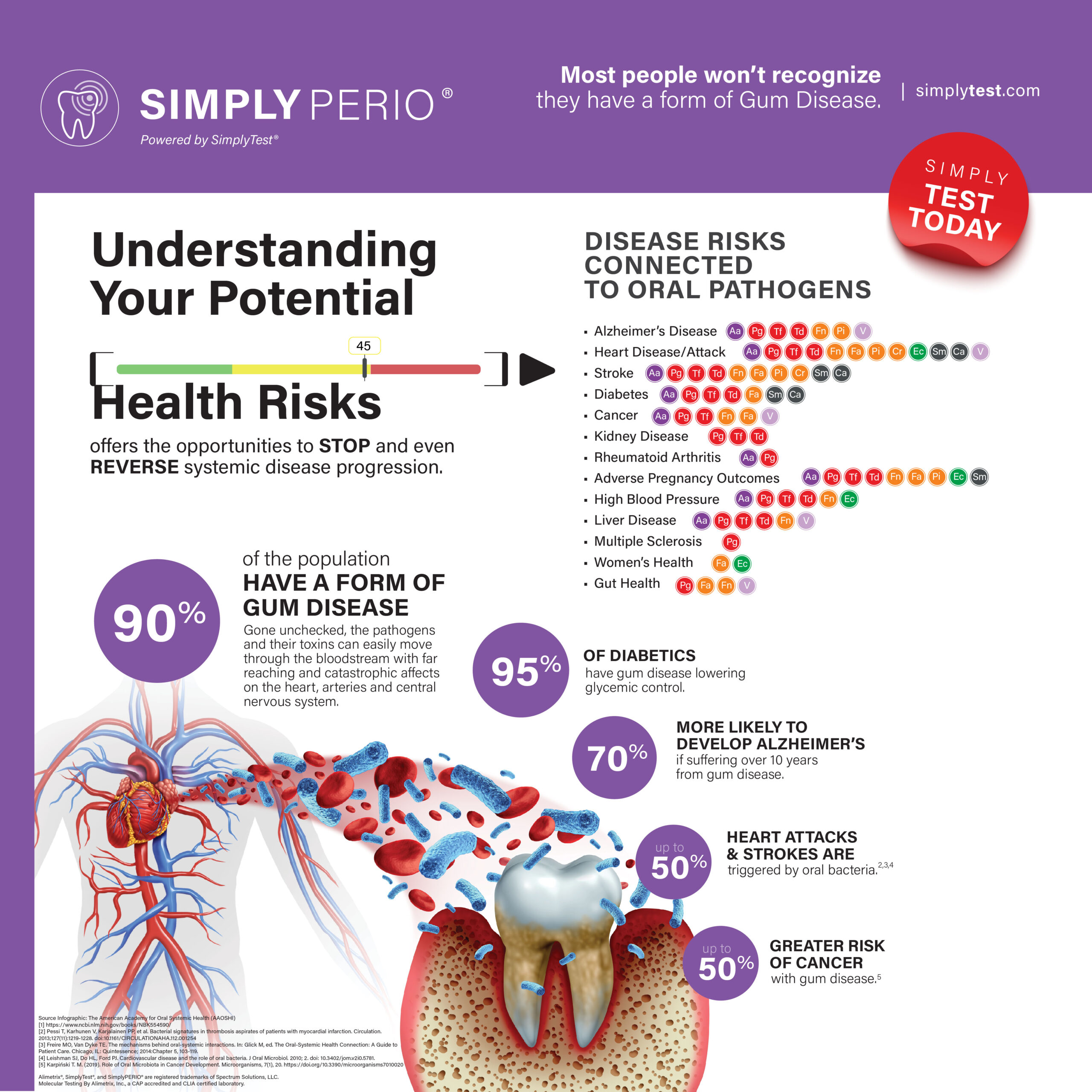
What causes gum disease?
The main cause for gum disease is plaque. Although smoking, genetic factors, hormones and some medications may attribute to it as well. 24 hours after we eat our mouth forms a sticky colorless substance along our teeth which is called plaque. Plaque harbors bacteria that cause gum disease and if not removed within 48-72 hours it hardens into a substance called calculus (tartar) that can only be removed by your dental professional. Both plaque and tartar harbor bacteria.
Is gum disease reversible?
Plaque will cause gums to swell and form gingivitis, if left untreated the bacteria work their way down into the bone and ligaments of the teeth and cause the bone to melt downwards and causes a deep space between the teeth which is called pockets. This type of gum disease is called periodontitis. If caught in the Gingivitis stage gum disease is usually reversible with proper brushing and flossing techniques. However, once it reaches the periodontitis stage, the bone that has been lost will be irreversible, but with deep cleaning or periodontal surgery the pockets can be reduced to help with any further bone loss.
At what age are my children supposed to see a dentist?
It is recommended by the ADA (American dental association) to see a dentist within the first 6 months of tooth eruption which usually is by the child’s first birthday. Routine dental exams can uncover early problems that could be treated an earlier stage with minimal damage. And if anything else your child gets used to the dental chair at an earlier age, so by the time he/she has full set of teeth they will be very comfortable in a dental office.
Why is it important to fix baby teeth that have decay?
A lot of parents ask, aren’t the baby teeth going to come out eventually? Baby teeth hold the space for our permanent teeth. If a baby tooth becomes decayed it can cause pain and infection, damaging the permanent teeth below them, Causing the permanent teeth to develop stains, pits and weaker teeth. If a baby tooth is lost too early due to decay, the space necessary for the permanent tooth to erupt will get lost and will only be able to regain that space through orthodontics such as braces.
How often do I see a dentist?
If you have healthy gums your dentist may recommend seeing him/her every 6 months for a checkup and cleaning. This way the dentist can catch any problems at an early stage and be able to treat it more preservative. However, if a patient has or has had a history of gum disease, he or she may recommend you to see a dentist every 3-4 months depending on the patient. This would be a maintenance regimen, kind of like changing your car oil every certain miles to prevent your car from having bigger problems.
Financing and Insurance
Got questions about paying for your treatment?
What’s the best dental insurance plan?
There are three different kinds of dental insurance plans: HMO, PPO and Savings plan. HMO plans are the type of dental insurances that you need to be assigned to a specific doctor in network. With PPO dental plans you can choose your own dentist whether or not they are assigned to your network. Savings plans are dental insurances that offer you discounted fees, but there is no billing to your dental insurance, you automatically get a discount by using a dentist in network and pay the dentist directly.